- Home
- Special Abilities / VishalCare

Building Inclusion, Empowerment & Hope
Working for people with special needs is crucial for building a truly equitable and compassionate society. It is a fundamental commitment to human rights and dignity, ensuring that every individual, regardless of their abilities, has the opportunity to live a fulfilling life and be treated with respect.
This work is vital for fostering social inclusion. By supporting people with special needs, we help dismantle the barriers that lead to isolation and exclusion. An inclusive society recognizes the unique strengths and perspectives that people with disabilities bring, enriching the community as a whole.
Furthermore, it is an investment in human potential. Empowering individuals with special needs allows them to contribute to the economy, arts, and society in meaningful ways. This not only benefits them but also creates a more diverse and innovative community. Ultimately, working for the special needs population is a moral imperative; it reflects our collective responsibility to care for one another and build a world where everyone can thrive.
Mission with Meaning, Approach with Impact
We believe in building an inclusive society, while following a unique model that supports every stage of life for individuals with neurodiversity.
Our Mission
To create an inclusive society where every person, regardless of ability, has the opportunity to reach their full potential and be valued as an active community member.
What Makes Us Unique
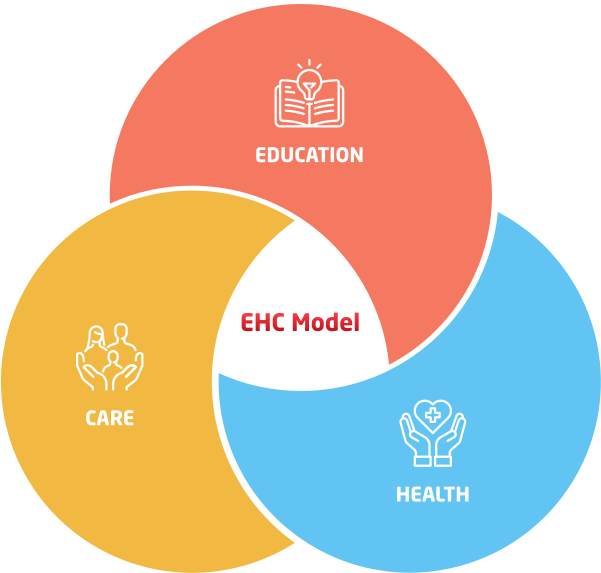
It’s an unique and comprehensive approach to supporting individuals with neurodiversity throughout their entire life cycle. Our work extends beyond direct intervention with children to include support for parents, advocacy with the government, and initiatives promoting social inclusion and acceptance. A key aspect of our model is the focus on 'EHC,' encompassing Education, Health, and Care.
What is the EHC Model?
The EHC model, or Education, Health and Care plan, is a collaborative and legally binding framework for providing support to children and young people with special educational needs or disabilities (SEND). Its core purpose is to create a single, comprehensive document that ensures all of a child’s needs—across education, health, and social care—are identified and met in a coordinated way.
This model moves beyond the traditional focus on only educational needs by integrating support from various sectors. It is designed to empower families by placing the child and their parents at the center of the planning process.

VishalCare: Empowering Special Abilities
Our flagship programmes nurture inclusion, independence, and dignity for individuals with neurodiversity—supporting children, families, and communities.

Life Cycle Management: A Pathway to Self-Dependence
This process outlines a comprehensive, staged approach to guiding individuals with special needs from initial identification to full self-dependence.
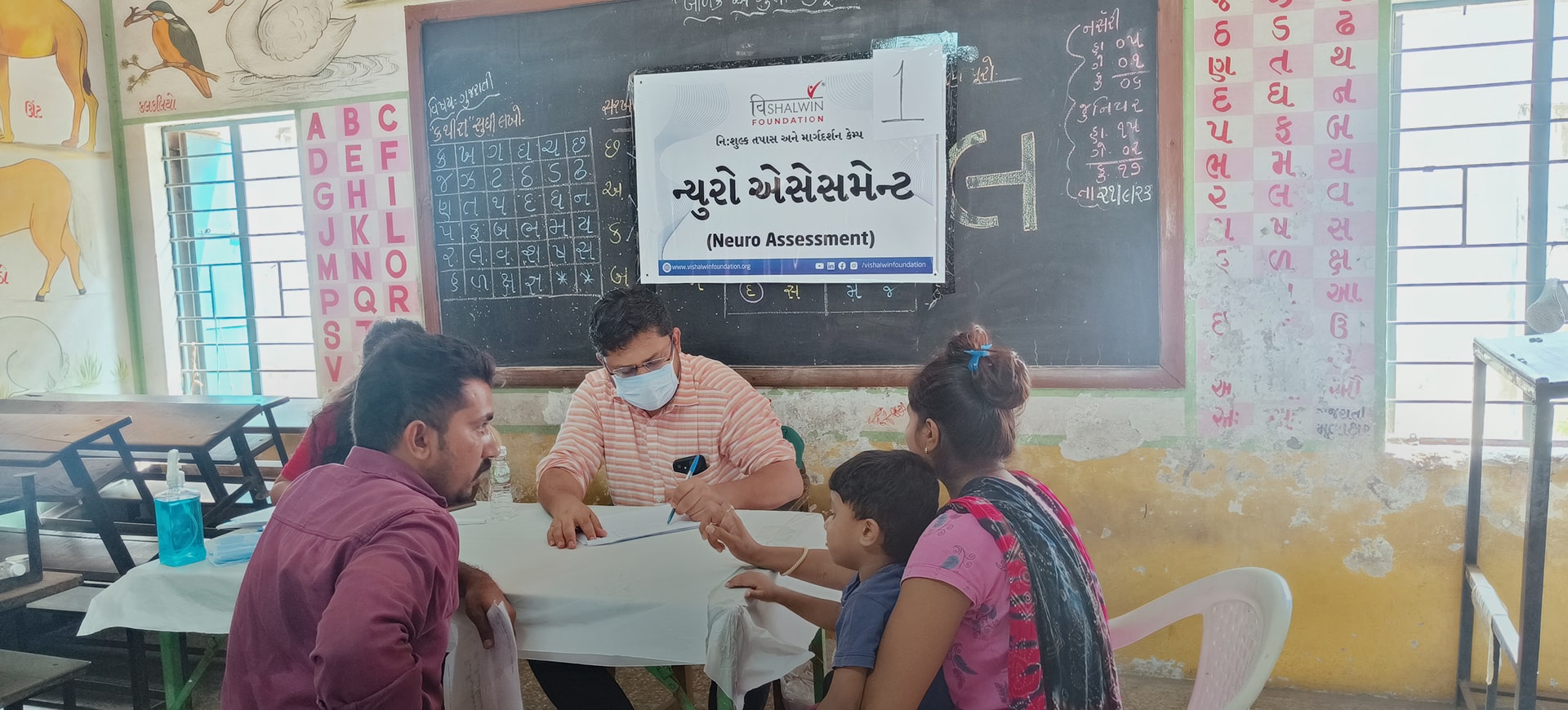
Identification
We proactively identify individuals in the community who could benefit from our program through outreach and screening initiatives.
Screening and Evaluation
This stage involves a detailed assessment to understand each individual's unique needs, strengths, and specific support requirements.
Connection to Resources
We connect individuals with the right therapeutic and educational resources, ensuring they receive a solid foundation for their development.
Life Skills Development
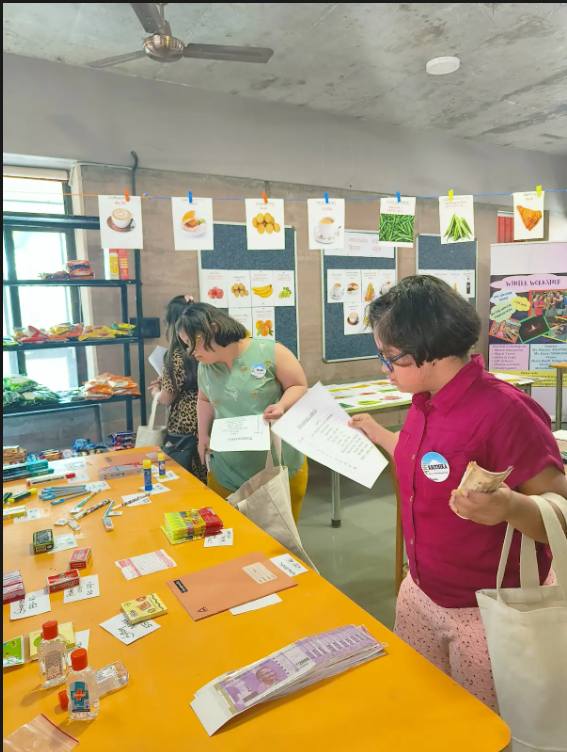
Our focus here is on teaching essential daily living skills, from personal care to social communication, crucial for independent living.
Pre-vocational Training
We prepare individuals for the workplace by developing foundational work habits, communication skills, and other soft skills.
Vocational Training
This stage provides hands-on training in a specific trade or vocation, equipping individuals with the technical skills needed for employment.
Employment Assistance
We plan to offer support with job placement, interview preparation, and on-the-job mentorship to help secure and maintain meaningful employment.
Goal: Self-dependence
The ultimate objective is for each individual to achieve a state of self-reliance, empowerment, and a fulfilling life.